
Dubai Real Estate: Market Cools as Buyers Hunt for ‘The Entry Point’
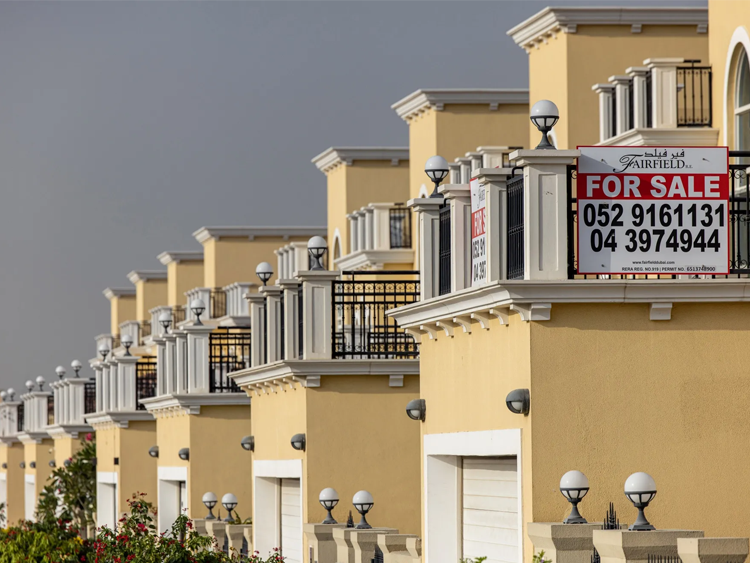
While the headline figures show the first decline in six years, the transactional floor remains solid as residents move to capitalize on softening prices.
DUBAI — For years, the narrative of the Dubai property market has been one of relentless ascent. But as of April 2026, the script has flipped. For the first time since the post-pandemic recovery began, the sector has recorded a monthly dip—yet far from a “crash,” the cooling prices have triggered a fresh wave of activity from a demographic previously left on the sidelines: the long-term resident.
The recent adjustment, fueled in part by geopolitical caution surrounding the Iran crisis and a massive influx of new housing supply, has seen apartment values in prime areas like JVC, JBR, and even around the Burj Khalifa soften by approximately 10%. In the villa segment, usually the market’s most resilient pillar, Arabian Ranches 2 and Dubai Hills Estate saw monthly pullbacks of over 10%.
A Buyer’s Market Emerges
Market experts suggest this is less a sign of distress and more of a “natural reset.”
“Historically, Dubai has been the gold standard for rental yields and capital growth, but the price hikes of 2024 and 2025 essentially locked out the average professional,” says Luke Marston, associate director at Century 21. “Now, those people are coming back. They aren’t looking for speculative flips; they are looking for the properties they actually want to live in, at prices that finally make sense.”
Real estate agencies report a surge in inquiries and “deal-hunting” behavior. With many foreign media outlets predicting a deeper slump, local buyers are betting on the city’s long-term resilience, viewing the current dip as a rare window to get onto the property ladder.
The Impact of the ‘Supply Wave’
The cooling isn’t just about regional tension; it’s about volume. Approximately 80,000 off-plan units are scheduled for handover this year, with a heavy concentration in the apartment sector. This “supply wave” is giving tenants more leverage than they’ve had in half a decade.
In some cases, the short-term rental market has felt the sharpest sting. Short-term occupancy across the Northern Emirates and Dubai has dropped about 10% compared to last year. However, this has led to a creative shift in the market: many landlords are now offering monthly bookings at rates cheaper than traditional annual leases to maintain occupancy, which currently sits at a healthy 80% despite the downturn in tourism.
The Luxury vs. Mid-Market Divide
While apartments are bearing the brunt of the price correction, luxury villas remain relatively steady. End-users—families who intend to stay in Dubai for the next decade—are holding onto their assets.
Landlords, too, are showing “Covid-era caution.” Having seen how quickly prices rebounded after 2020, many are choosing to hold their properties vacant or maintain current rates rather than locking in lower-priced, multi-year contracts that they cannot easily increase later.
Outlook: A Quick Recovery?
Despite the current dip, the consensus among analysts is that the market remains “buoyant under the surface.”
While Abu Dhabi is expected to feel a delayed, steadier impact, Dubai has always been the first to react to global events—and usually the first to bounce back. For now, the “buy” signals are flashing for residents who have spent years watching from the balcony.
As one property manager noted: “Dubai responds quickly. If you wait for the news to tell you the market is back up, you’ve already missed the deal.”